
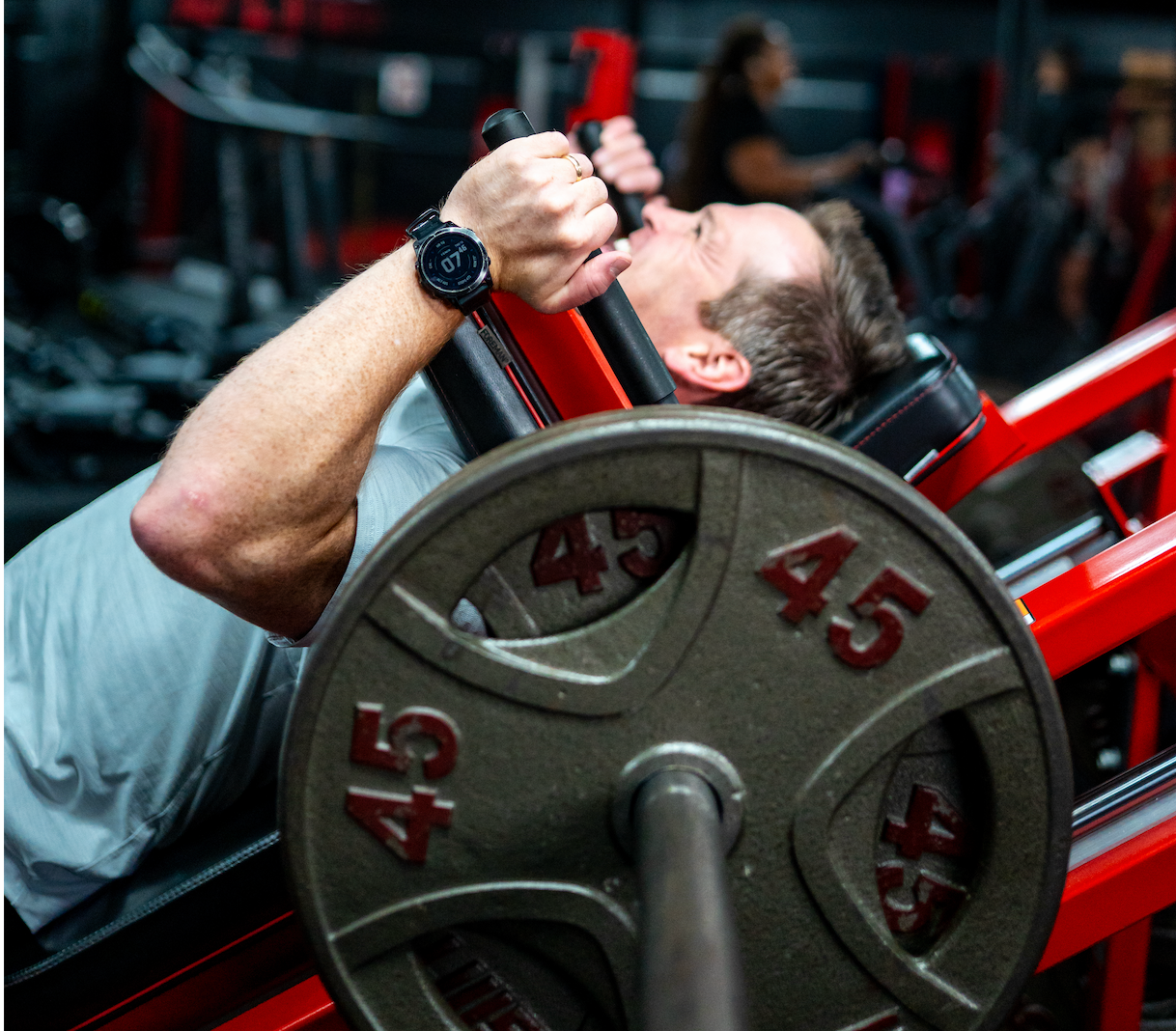
You can follow a structured workout program, eat balanced meals, stay consistent with your training, and still overlook one of the most important parts of your fitness journey: sleep.
Many people focus on what happens inside the gym. They pay attention to the exercises they perform, the weights they lift, the calories they consume, and the supplements they take. But what happens after they leave the gym deserves just as much attention.
Sleep is when your body gets an opportunity to rest, recover, and prepare for another day of physical activity. It supports normal hormone regulation, muscle repair, brain function, immune health, and energy management. When you consistently get enough quality sleep, you create better conditions for maintaining your training routine and working toward your fitness goals.
According to the Centers for Disease Control and Prevention, most adults need at least seven hours of sleep each night. However, getting enough hours is only part of the equation. Sleep quality, consistency, and the ability to stay asleep also matter.
For people who regularly exercise, sleep deserves to be treated as part of the training plan rather than something that happens when everything else is finished.
Your fitness progress does not stop when your workout ends. Recovery is part of the process, and better sleep helps support it.
At Vantage Elite Fitness in Dallas, we believe that achieving meaningful fitness results involves more than simply working harder. It requires a complete approach that considers training, nutrition, recovery, and the daily habits that support long term progress.
What Is Sleep Hygiene and Why Does It Matter?
Sleep hygiene refers to the habits, routines, and environmental conditions that help you achieve consistent, quality sleep.
It is not simply about going to bed early or spending more time in bed. It involves creating a routine that supports your body’s natural sleep wake cycle and makes it easier to fall asleep, remain asleep, and wake up feeling refreshed.
Good sleep hygiene includes maintaining a consistent schedule, managing caffeine intake, limiting stimulating activities before bedtime, creating a comfortable sleeping environment, and allowing enough time for rest.
These habits may seem simple, but they can influence how well you sleep over time.
The National Institutes of Health recommends maintaining regular sleep and wake times, getting natural daylight during the day, limiting caffeine and alcohol close to bedtime, and keeping the bedroom cool, dark, and quiet.
Read the NIH guide to healthy sleep.
Sleep Quality Is More Than the Number of Hours
You might spend eight hours in bed but still wake up feeling tired.
That is because sleep duration and sleep quality are not exactly the same thing.
Sleep duration refers to how long you sleep. Sleep quality involves how restorative and uninterrupted that sleep is, including whether you wake frequently or feel refreshed afterward.
Both matter.
For example, someone who consistently sleeps for seven to eight hours without frequent interruptions may feel more rested than someone who spends the same amount of time in bed but wakes repeatedly throughout the night.
The goal is to establish both sufficient sleep duration and habits that support good quality rest.
How Much Sleep Do Adults Need?
The American Academy of Sleep Medicine and Sleep Research Society recommend that adults regularly obtain at least seven hours of sleep per night to support optimal health.
A general target for many adults is seven to nine hours, although individual needs can vary.
People who train intensely, have demanding schedules, or are recovering from periods of insufficient sleep may benefit from allowing themselves additional sleep when needed.
Rather than treating seven hours as a maximum, think of it as a minimum recommendation for most healthy adults.
Read the consensus recommendation on adult sleep duration.
Why Sleep Is Important for Muscle Growth and Recovery
One of the most important reasons to prioritize sleep is its relationship with physical recovery.
Resistance training places stress on your muscles. That stress creates a stimulus for adaptation, but the body needs time and resources to respond.
Nutrition provides essential nutrients. Rest allows the body to recover from training demands. Sleep supports many of the physiological processes involved in maintaining and repairing the body.
This is why a well designed fitness routine should never focus exclusively on how much exercise you can complete.
Recovery deserves equal consideration.
Sleep Supports Muscle Repair
During resistance training, muscles experience mechanical stress. The body responds by activating processes involved in muscle repair and adaptation.
Protein intake provides amino acids needed for muscle tissue maintenance and development, while sufficient sleep supports the broader recovery process.
It is important to understand that muscle growth does not happen simply because you sleep longer. It develops through the combined effects of appropriate resistance training, nutrition, recovery, and consistency.
However, consistently insufficient sleep can interfere with the conditions needed to support those adaptations.
A review of sleep and athletic performance published in the British Journal of Sports Medicine highlights the importance of sleep quantity and quality for athletes and recommends that sleep be treated as an important part of athletic preparation and recovery.
Read the expert consensus recommendations on sleep and athletes.
Sleep Helps Prepare You for Your Next Workout
Imagine completing a demanding lower body workout and returning to the gym the following day feeling exhausted.
Your movements feel heavier. Your concentration is lower. Your energy is not where you expected it to be.
Sleep can influence how prepared you feel for your next training session.
Adequate sleep supports attention, coordination, reaction time, mood, and physical readiness. These factors matter when performing exercises that require concentration and controlled movement.
When you consistently sleep well, you may find it easier to approach workouts with better energy and focus.
The goal is not to expect every session to feel perfect. It is to give your body a consistent opportunity to recover between training sessions.
How Poor Sleep Can Affect Your Fitness Progress
Sleep is connected to several processes that influence physical performance and general health.
When you regularly get insufficient or disrupted sleep, you may notice changes in energy, concentration, appetite, and motivation.
These changes can make maintaining a consistent fitness routine more difficult.
It Can Affect Your Workout Performance
When you are tired, exercises that normally feel manageable may become more challenging.
You may struggle to maintain concentration, feel less motivated to train, or find it harder to perform movements with your usual level of control.
Sleep also influences cognitive performance, which can affect decision making and reaction time.
For people who perform resistance training, maintaining concentration and good exercise technique is particularly important.
It Can Influence Appetite and Eating Habits
Sleep also interacts with the systems involved in appetite and metabolism.
Insufficient sleep can influence hunger, food preferences, and the way people regulate their eating habits.
When you are tired, you may find yourself reaching for convenient foods, craving more energy dense options, or struggling to maintain the eating routine you established.
This does not mean one poor night of sleep will ruin your nutrition plan.
It means that consistent sleep habits can help support the broader lifestyle routines that contribute to your fitness goals.
It Can Affect Your Energy and Motivation
Fitness progress requires consistency.
But maintaining consistency can become more challenging when you regularly feel exhausted.
You may postpone workouts, skip meal preparation, become less active throughout the day, or struggle to maintain your normal routine.
Better sleep can support energy and mood, making it easier to stay engaged with the habits that contribute to your goals.
BOOK YOUR FREE PILOT SESSION NOW
The 7 Essential Habits of Better Sleep Hygiene
The good news is that optimizing sleep does not necessarily require expensive equipment or complicated supplements.
Many of the most useful improvements involve simple habits that you can gradually incorporate into your daily routine.
Here are seven practical ways to improve your sleep hygiene.
1. Maintain a Consistent Sleep Schedule
One of the most effective ways to improve your sleep routine is to establish consistent bedtime and wake up times.
Your body has an internal timing system known as the circadian rhythm. It helps regulate when you feel awake and when you feel sleepy.
Frequently changing your sleeping schedule can make it more difficult to maintain a consistent rhythm.
Try to go to bed and wake up at approximately the same times every day, including weekends.
For example, if your schedule allows you to sleep from 10:30 PM to 6:30 AM, try to maintain that pattern rather than regularly shifting between very early and very late bedtimes.
Consistency gives your body a more predictable routine.
2. Create a Relaxing Bedtime Routine
The transition from a busy day to sleep should not feel like an abrupt switch.
Give yourself approximately 30 to 60 minutes to slow down before bedtime.
This period can include activities that help you relax and mentally disconnect from work or other responsibilities.
Consider:
- Reading a book.
- Taking a warm shower or bath.
- Listening to calming music.
- Practicing gentle stretching.
- Doing slow breathing exercises.
- Preparing your clothes and schedule for the following day.
The objective is to create a routine that signals to your body that it is time to wind down.
You do not need to follow an elaborate nighttime ritual. A few calming activities performed consistently can be a practical starting point.
3. Limit Caffeine Later in the Day
Coffee and other caffeinated drinks can help improve alertness, especially before a workout or during a demanding workday.
However, caffeine can remain in your system for several hours.
The NIH notes that caffeine’s effects can last up to eight hours, which means an afternoon coffee may still influence your ability to fall asleep at night.
If you usually go to bed at 10:00 PM, consider limiting caffeine after the early afternoon and see whether your sleep improves.
Remember that caffeine is not found only in coffee. It can also be present in energy drinks, tea, soda, pre workout supplements, and chocolate.
If you use pre workout products, check their caffeine content and consider how their timing affects your sleep.
4. Make Your Bedroom Sleep Friendly
Your sleeping environment can have a meaningful influence on sleep quality.
Ideally, your bedroom should feel comfortable, quiet, dark, and cool.
Consider making these adjustments:
- Use blackout curtains to reduce outside light.
- Keep the room at a comfortable temperature.
- Reduce noise with earplugs or appropriate background noise if needed.
- Choose comfortable bedding and pillows.
- Remove unnecessary light sources.
- Keep work related distractions away from your sleeping area.
If you live in a noisy neighborhood or have light entering your room, small changes such as blackout curtains and a sleep mask can make your environment more comfortable.
The goal is to make your bedroom a place associated with rest rather than constant stimulation.
5. Reduce Screen Time Before Bed
Phones, tablets, computers, and televisions can keep you mentally engaged when you should be preparing to sleep.
Messages, social media, work notifications, and videos can make it difficult to disconnect.
Try reducing screen use during the final 30 to 60 minutes before bedtime.
If you need to use your device, consider lowering the brightness and avoiding activities that are stressful or highly stimulating.
You can also charge your phone away from your bed to reduce the temptation to keep scrolling.
This is not about completely eliminating technology. It is about creating a healthier boundary between your active hours and your sleep routine.
6. Exercise Regularly, but Consider Your Workout Timing
Regular physical activity is associated with better overall health and can support sleep.
Resistance training, walking, cycling, and other forms of exercise can all contribute to a healthier daily routine.
However, the timing of exercise may matter for some individuals.
Intense exercise close to bedtime can make it harder for certain people to relax and fall asleep, particularly if their heart rate and body temperature remain elevated.
If you notice that evening workouts interfere with your sleep, consider moving demanding sessions earlier when possible.
That does not mean everyone needs to avoid nighttime exercise. Some people tolerate evening workouts well.
Pay attention to your own response and adjust your schedule accordingly.
7. Be Mindful of Late Meals and Alcohol
What you consume close to bedtime can also influence your sleep.
Large meals immediately before bed may cause discomfort or indigestion, making it harder to settle down.
Alcohol may make you feel sleepy initially, but it can disrupt sleep quality and contribute to waking during the night.
Try to avoid large meals and alcohol close to bedtime.
If you are hungry after an evening workout, a light snack that fits your nutritional needs may be more comfortable than going to bed extremely hungry.
The objective is to support both your nutrition and sleep rather than following unnecessary restrictions.
How to Optimize Sleep for Muscle Growth
If building muscle is one of your primary fitness goals, sleep should be considered alongside your resistance training and nutrition plan.
Your body needs an appropriate training stimulus, sufficient nutrients, and enough recovery time to adapt.
Here are several ways to make sleep part of your muscle building strategy.
Give Yourself Enough Time to Sleep
Start by identifying how many hours you realistically need to feel rested.
For most adults, seven to nine hours is a useful general target.
If you train frequently or have demanding physical activity, you may need to allow more time for sleep depending on your individual needs.
Avoid scheduling workouts and other activities in a way that consistently reduces your sleep opportunity.
Pair Good Nutrition With Good Recovery
Protein provides the amino acids needed for muscle tissue maintenance and development.
Eating balanced meals and meeting your daily protein requirements can support your training.
However, nutrition and sleep work together. Neither should be treated as a replacement for the other.
A balanced fitness routine should consider training, food intake, hydration, and recovery as connected parts of the same process.
Monitor Your Training Load
More training is not always better.
If you regularly feel exhausted, experience declining performance, or struggle to recover between sessions, it may be time to evaluate your training volume and schedule.
A well structured program should challenge you while allowing enough recovery between demanding workouts.
How to Optimize Sleep for Fat Loss
Sleep also deserves attention when your goal is improving body composition.
Fat loss involves several factors, including overall energy intake, physical activity, nutrition quality, and consistency.
Sleep can support these efforts by influencing appetite regulation, energy, mood, and daily habits.
Support Your Appetite and Eating Routine
Consistent sleep can help you maintain a more predictable daily routine.
When you are well rested, it may be easier to plan meals, make thoughtful food choices, and stay consistent with your nutrition habits.
On the other hand, insufficient sleep can make appetite regulation more challenging for some people.
Stay Active During the Day
Regular movement supports overall health and contributes to energy expenditure.
Walking, resistance training, and other forms of physical activity can complement your nutrition strategy.
The important thing is to establish a routine that supports your health without sacrificing the sleep your body needs.
Avoid Treating Sleep as a Shortcut
Getting more sleep does not automatically cause fat loss.
It supports the broader lifestyle factors that influence your ability to maintain healthy habits.
For sustainable body composition improvements, combine appropriate nutrition, consistent exercise, recovery, and realistic expectations.
A Practical Nighttime Routine for Better Sleep
If you are unsure where to begin, here is a simple example of how to structure the final hour before bedtime.
<text color=”secondary” size=”xs” weight=”medium”>EXAMPLE ROUTINE FOR SOMEONE GOING TO BED AT 10:30 PM</text>
| Time | Activity |
|---|---|
| 9:30 PM | Stop work and reduce screen time |
| 9:40 PM | Prepare clothes and essentials for tomorrow |
| 9:50 PM | Take a warm shower |
| 10:00 PM | Read or listen to relaxing music |
| 10:15 PM | Practice gentle breathing or stretching |
| 10:30 PM | Lights out |
This is only an example. Your routine can be adjusted around your work hours, family responsibilities, and preferred bedtime.
What matters is having a predictable transition that helps you relax.
What If You Have an Irregular Schedule?
Not everyone has the same working hours.
Some people work early mornings. Others work late evenings or overnight shifts. Some have family responsibilities that make maintaining a traditional sleep schedule difficult.
If your schedule is irregular, focus on creating consistency within the hours you can control.
Keep Your Sleep Environment Dark
If you sleep during the day, use blackout curtains or an eye mask to reduce sunlight entering the room.
Reduce Noise
Earplugs, white noise, or other appropriate sound management strategies may help limit interruptions.
Manage Caffeine Timing
If you work overnight, consider limiting caffeine to the earlier part of your shift rather than consuming it close to your planned sleep period.
Protect Your Sleep Window
Let family members or household members know when you are scheduled to sleep, if possible.
Try to create a period when unnecessary calls, noise, and interruptions are minimized.
The NIH specifically recommends bright light during night work, limiting caffeine to the earlier part of the shift, and using light blocking curtains when sleeping during the day.
If you continue to struggle with daytime sleep or adapting to shift work, discuss your options with a healthcare professional.
Read the NIH guidance for healthy sleep.
When Should You Consider Professional Help for Sleep Problems?
Sleep hygiene is a useful foundation, but it is not a treatment for every sleep problem.
If you regularly struggle to fall asleep, wake frequently throughout the night, or feel exhausted despite allowing enough time for sleep, it may be worth speaking with a healthcare professional.
Persistent snoring, gasping during sleep, morning headaches, or significant daytime sleepiness may also indicate a sleep related condition that needs evaluation.
Conditions such as insomnia and obstructive sleep apnea may require specific treatment rather than lifestyle changes alone.
You should not assume that every sleep problem can be solved by avoiding screens or drinking less coffee.
Professional assessment can help identify the underlying issue and determine the appropriate next steps.
The Sleep Optimization Checklist
Better sleep often begins with small changes that become part of your everyday routine.
Here is a simple checklist you can use to evaluate your current sleep habits.
- Maintain a consistent bedtime and wake up time.
- Allow at least seven hours for sleep, with a general target of seven to nine hours for most adults.
- Get natural daylight during the day.
- Exercise regularly and consider how workout timing affects your sleep.
- Limit caffeine later in the day.
- Reduce screen time before bedtime.
- Keep your bedroom cool, dark, and quiet.
- Follow a relaxing nighttime routine.
- Avoid large meals and alcohol close to bedtime.
- Make recovery an important part of your training schedule.
You do not have to implement every habit perfectly on the first night.
Start with the changes that would make the biggest difference to your current routine and build from there.
Frequently Asked Questions About Sleep Hygiene and Fitness
How many hours of sleep do I need to build muscle?
Most adults should regularly get at least seven hours of sleep, with seven to nine hours being a common target. Individual needs vary, and people with demanding training schedules may benefit from allowing additional time for recovery.
Does sleep really affect muscle growth?
Yes. Sleep supports the physiological processes involved in recovery and normal muscle function. Combined with resistance training, adequate protein, and appropriate nutrition, sufficient sleep helps create conditions that support muscle development.
Is it okay to work out before going to bed?
It depends on the individual. Some people tolerate evening workouts without problems, while others find that intense exercise close to bedtime makes it harder to fall asleep. If you notice sleep disruption, consider moving demanding workouts earlier.
Does drinking coffee affect sleep quality?
Yes. Caffeine can remain active in the body for several hours and may make it harder to fall asleep. Consider limiting caffeine during the afternoon and evening, especially if you are sensitive to its effects.
Can sleeping more help with fat loss?
Sleep supports appetite regulation, energy, and healthy daily routines. However, additional sleep alone does not guarantee fat loss. Nutrition, activity, and consistent lifestyle habits remain important.
Should I take supplements to improve my sleep?
Not necessarily. Start by evaluating your sleep schedule, caffeine intake, environment, and bedtime habits. If you are considering sleep supplements or medication, discuss their suitability and potential interactions with a healthcare professional.
What should I do if I wake up tired even after eight hours of sleep?
Consider whether your sleep is frequently interrupted, whether your schedule is consistent, and whether your environment supports good sleep. If the problem continues, consult a healthcare professional to evaluate possible sleep disorders or other causes.
Vantage Elite Fitness: Recovery Is Part of Your Progress
Your fitness journey is not measured only by how much weight you lift, how many repetitions you complete, or how many calories you burn.
It is also shaped by how well you recover.
Sleep gives your body time to rest and supports the processes that help you maintain physical performance, manage energy, and stay consistent with your training.
When you combine quality sleep with structured resistance training, balanced nutrition, and appropriate recovery, you create a stronger foundation for long term fitness progress.
At Vantage Elite Fitness in Dallas, personal training is built around a comprehensive approach that considers your goals, training, nutrition habits, and overall lifestyle.
Because getting stronger is not just about pushing harder every day. It is also about knowing when to recover, how to support your body, and how to build habits that make progress sustainable.
If you are ready to take a more structured approach to your fitness goals, start by identifying where you are today and what you want to accomplish next.
BOOK YOUR FREE PILOT SESSION NOW
Train with purpose. Recover with intention. Wake up ready to progress.