
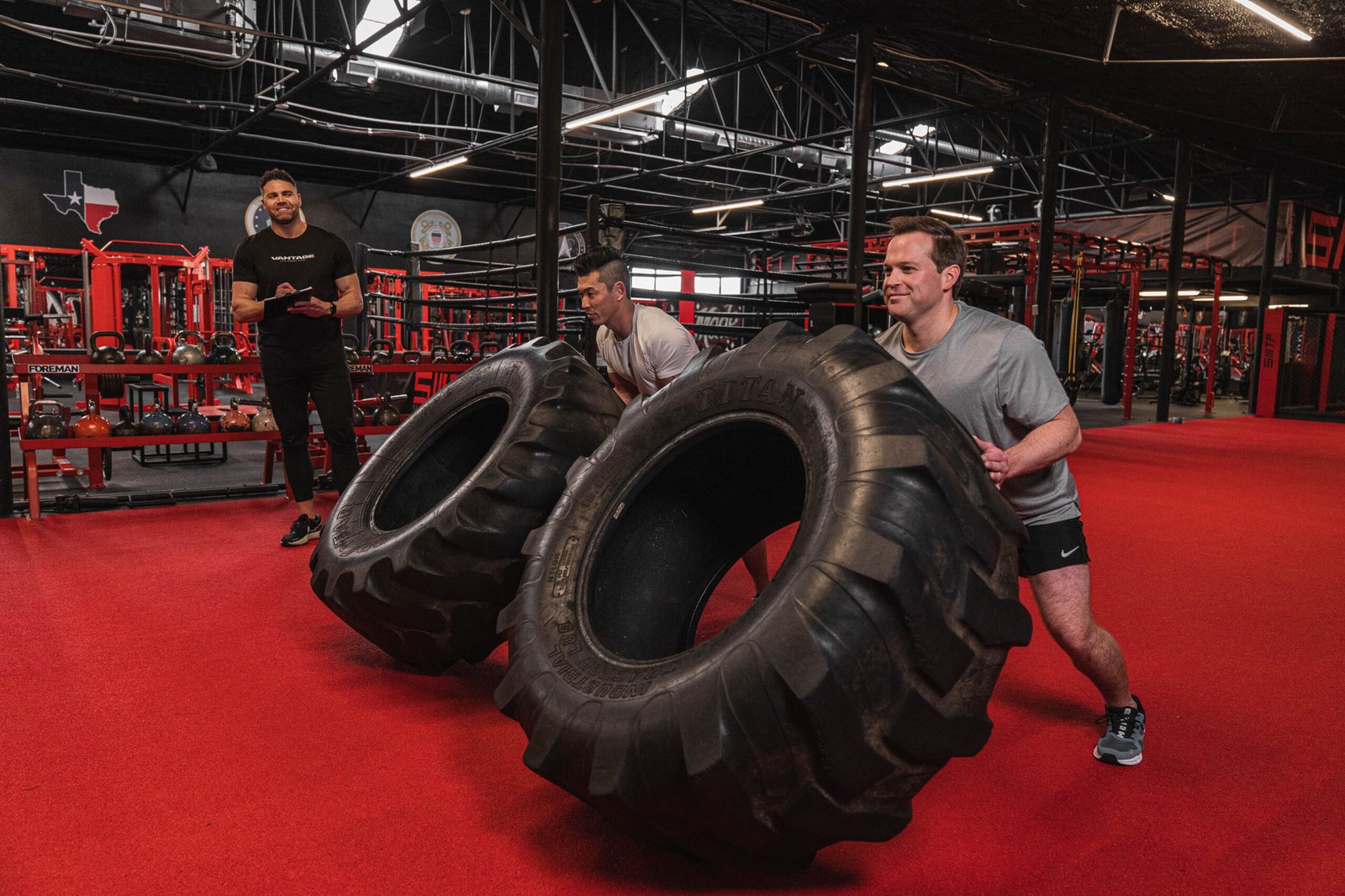
You’ve tried before. Maybe multiple times. You started strong, saw initial results, then hit a wall. Motivation faded. Life got busy. The gym visits became sporadic. The transformation you envisioned didn’t materialize—or worse, it reversed.
This isn’t a failure of willpower. It’s a failure of strategy.
A real fitness transformation isn’t about motivation. It’s not about finding the “perfect” workout or diet. It’s about understanding the exact framework that allows sustainable, measurable, undeniable change—and then executing it with precision.
This guide walks you through the complete fitness transformation blueprint: what actually drives change, how to avoid the common pitfalls that derail most people, and the exact roadmap to achieve the transformation you’ve been pursuing.
Why Most Fitness Transformations Fail
Before we discuss what works, we need to understand why most people fail. This isn’t pessimism—it’s pattern recognition.
The Motivation Trap Most people begin a fitness transformation fueled by motivation. They’re excited, committed, ready to change. Motivation feels powerful in week 1. But motivation is inherently unstable. Life gets busy. Work stress increases. Family obligations arise. Motivation evaporates.
People who achieve lasting fitness transformations don’t rely on motivation. They build systems, accountability, and progressive challenges that work regardless of how they feel on any given day. They understand that feeling like going to the gym is optional—but showing up is not.
The All-or-Nothing Mindset A common pattern: someone misses one workout, feels guilty, decides the week is “ruined,” and abandons the plan entirely. They eat one meal off-plan and consider the day lost. They encounter a setback and perceive it as permanent failure.
Real fitness transformation requires flexibility. Missing one workout doesn’t undo your progress. One meal off-plan doesn’t reverse weeks of effort. Setbacks are data points, not endpoints. The transformation mindset is: “I missed today. I’m back on track tomorrow.”
Insufficient Clarity on Goals “I want to get in shape” isn’t a goal—it’s a vague direction. Without specific, measurable targets, you have no way to assess progress or adjust strategy. Fitness transformation requires precision: “I want to lose 20 lbs of fat while gaining 5 lbs of muscle over 20 weeks,” or “I want to run a 5K in under 25 minutes within 12 weeks.”
Without this clarity, you wander. With it, every decision becomes aligned.
Unsustainable Approaches Many “fitness transformations” are built on extreme calorie restriction, excessive exercise, or elimination diets. These deliver short-term results but are fundamentally unsustainable. When people return to normal eating and exercise habits (which they inevitably do), the transformation reverses.
Real fitness transformation is built on sustainable habits that you can maintain indefinitely—not extreme approaches you white-knuckle through for 12 weeks.
Lack of Professional Guidance Most people attempt fitness transformation alone, relying on Google, YouTube, or outdated information. They make mistakes—incorrect form that causes injury, nutrition plans that don’t align with their body, training programs designed for someone with completely different goals.
Professional guidance isn’t luxury. It’s the difference between wandering and having a map.
The Three Pillars of Sustainable Fitness Transformation
Lasting fitness transformation requires balance across three dimensions. Excel at one, neglect the other two, and you’ll plateau or regress.
Pillar 1: Strategic Training Program Your training program must be specifically designed for your goals, your current fitness level, and your recovery capacity. A transformation program isn’t random workouts—it’s a progressive, periodized plan that systematically increases demands on your body while allowing recovery.
The program should emphasize compound movements (squats, deadlifts, rows, presses), incorporate progressive overload (gradually increasing weight or reps), and provide adequate volume for muscle building or fat loss depending on your goal.
Most critically, the program must be sustainable. If it requires you to train 6 days per week and you can only realistically commit to 3 days, it will fail. A program you actually follow beats a perfect program you abandon.
Pillar 2: Nutrition Strategy Aligned With Your Goal Your nutrition must support your specific transformation goal. Fat loss requires a calorie deficit with adequate protein to preserve muscle. Muscle building requires sufficient calories and protein with progressive training. General fitness requires consistent, nutrient-dense eating without extreme restriction.
Beyond calories and macros, consistency matters more than perfection. Eating on-plan 85% of the time beats eating perfectly 40% of the time and chaotically the rest. Your nutrition strategy must be specific enough to drive results, but flexible enough to fit your real life.
Pillar 3: Accountability and Behavioral Change This is where most fitness transformations fail silently. You can have the perfect program and nutrition plan, but without accountability and behavioral systems, you won’t execute them.
Real accountability isn’t guilt or shame—it’s regular check-ins, progress tracking, and adjustments. It’s someone (a trainer, coach, or accountability partner) who knows your commitments and asks: “Did you follow the plan this week?” It’s the difference between “I meant to go to the gym” and “I went to the gym three times as planned.”
Behavioral change is the infrastructure that makes transformation sustainable. It includes habit stacking (linking new behaviors to existing ones), removing friction to desired behaviors, and building identity-level commitment (“I’m someone who trains consistently,” not “I’m trying to train”).
The Fitness Transformation Timeline: What to Expect
One of the biggest mistakes people make is having unrealistic timelines. This leads to frustration, abandonment, and the conclusion that transformation isn’t possible.
Here’s what realistic fitness transformation looks like:
Weeks 1-4: Adaptation Phase Your body is adapting to new stimulus. You might notice improved energy, better sleep, or slight changes in how clothes fit. The scale might fluctuate (often up initially due to water retention from training). This is normal and not cause for concern.
The real win in this phase is consistency. You’re establishing the habit of training and eating on-plan. The psychological shift from “I’m trying” to “I’m doing this” happens here.
Weeks 5-8: Visible Progress By week 5-6, most people notice tangible changes. You look leaner, feel stronger, or see progress photos that surprise you. Energy increases noticeably. The scale moves in the desired direction (though not linearly).
This is where motivation typically peaks. Capitalize on it by reinforcing your system and celebrating progress. This is also where you’re building the habits that will carry you beyond this phase.
Weeks 9-12: Momentum and Adjustment By this point, you’re three months in. For most people, this is when visible transformation becomes obvious—to yourself and others. You’re significantly stronger, your body composition has shifted, and your confidence has increased.
Around week 10-12, progress often slows slightly as your body adapts. This is normal. It’s time to adjust: increase training volume, refine nutrition, or adjust intensity. Without adjustment, you’ll plateau.
Weeks 13-20: Refinement and Deep Transformation This is where the real transformation happens. Your body has adapted to the initial stimulus, and you’ve adjusted. You’re now pursuing more nuanced progress. The changes in this phase are often more dramatic visually—as body fat continues dropping and muscle definition increases.
By week 16-20, people often describe a psychological shift. Fitness isn’t a project anymore—it’s part of identity. “I’m a person who trains” replaces “I’m trying to get in shape.”
Beyond Week 20: Lifetime Integration Real fitness transformation continues beyond 20 weeks. The habits you’ve built become automatic. Training becomes something you do without deciding. Nutrition becomes second nature. The transformation wasn’t 20 weeks of effort—it was 20 weeks of establishing the habits that define you.
The Fitness Transformation Blueprint: Step-by-Step
Here’s the exact framework to achieve measurable fitness transformation:
Step 1: Define Your Specific Goal
Don’t aim for “get in shape.” Instead:
“I want to lose 25 pounds of fat while building muscle, going from 32% body fat to 24% body fat over 20 weeks” is specific and measurable.
“I want to increase my deadlift from 185 lbs to 315 lbs (5-rep max) while improving my mile time from 9:30 to 8:00” is specific and measurable.
Your goal should answer:
- What is the specific change you want? (weight loss, muscle gain, strength, endurance, appearance)
- How much change? (25 lbs, 10 lbs of muscle, 50 lbs on a lift, X minute mile)
- By when? (8 weeks, 16 weeks, 6 months)
Avoid vague aspirations. Specific goals create aligned decisions.
Step 2: Get Your Starting Point Assessed
You can’t measure progress without a baseline. Your assessment should include:
- Current weight and body fat percentage (if possible)
- Progress photos (front, side, back)
- Strength baseline (max reps or estimated 1-rep max on key lifts)
- Current fitness level (how long can you sustain cardio, how many pushups, etc.)
- Movement quality (do you have mobility issues, imbalances, or injury history?)
- Lifestyle factors (sleep, stress, nutrition baseline)
This baseline assessment does two things: it gives you actual data to measure against, and it reveals specific areas needing attention. Someone with poor sleep won’t transform as quickly as someone sleeping 8 hours—and knowing this informs your strategy.
Step 3: Design Your Progressive Training Program
Your training program should:
Be Specific to Your Goal
- Fat loss: Higher frequency, moderate intensity, adequate volume (10-15 sets per muscle group per week)
- Muscle building: Moderate frequency, high intensity, high volume (15-20 sets per muscle group per week)
- Strength: Lower frequency, very high intensity, lower volume (8-12 sets per muscle group per week)
Emphasize Compound Movements Squats, deadlifts, rows, bench press, and overhead press should form your foundation. These recruit the most muscle, drive the most systemic adaptation, and deliver the best results.
Include Progressive Overload Week 1: 3 sets × 8 reps at 185 lbs Week 2: 3 sets × 9 reps at 185 lbs Week 3: 3 sets × 8 reps at 195 lbs
This progressive increase in demands is what drives transformation. Without it, your body has no reason to adapt.
Be Sustainable If you hate running and your program requires 5 cardio sessions per week, you’ll quit. Build your program around exercise you can actually commit to. Some people love group classes; others prefer solo training. Some thrive on cardio; others prefer weights. Build around your preferences.
Step 4: Create Your Nutrition Plan
Your nutrition plan should:
Align With Your Goal
- Fat loss: 300-500 calorie deficit, high protein (0.8-1g per lb body weight), consistent tracking
- Muscle building: 200-300 calorie surplus, high protein (1-1.2g per lb), adequate carbs for training
- Maintenance/Recomposition: Calorie balance, high protein, flexible macro distribution
Be Simple Enough to Follow Overly complex plans fail. Your plan should be simple: “Eat chicken, rice, and broccoli for lunch. Eat eggs and toast for breakfast. Dinner varies but always includes protein and vegetables.” Simple doesn’t mean boring—it means executable.
Include Foods You Enjoy If your plan eliminates foods you love, you won’t sustain it. Build flexibility: “Hit your protein and calorie targets; the rest is up to you.” This works because people naturally make better choices when given agency.
Have a Tracking System For fat loss, track calories and protein. For muscle building, ensure you’re eating enough and getting protein. For general fitness, track consistency: “Did I eat on-plan this week? Yes or no?”
Tracking doesn’t require obsession. A photo of what you eat or a quick calories count reveals patterns. Most people underestimate intake without tracking.
Step 5: Build Your Accountability System
This is the make-or-break component most people overlook.
Weekly Check-Ins Schedule a time to assess: Did you train as planned? Did you eat on-plan? What obstacles arose? What adjustments help next week?
Progress Tracking Weigh yourself weekly. Take progress photos monthly. Track strength in your workouts. Assess energy and sleep. Use multiple data points—the scale alone is incomplete.
Public Commitment Tell someone your goal. Text a friend after workouts. Post progress on social media if that motivates you. Public commitment increases follow-through.
Professional Guidance This is where a trainer or coach becomes invaluable. They assess your program and nutrition, notice imbalances, adjust when progress stalls, and provide expert guidance. Most importantly, they make you accountable to someone outside yourself.
Step 6: Execute With Strategic Flexibility
Execution isn’t rigid adherence. It’s consistent effort with intelligent adjustments.
Execute the Plan Follow your program and nutrition plan for 2-3 weeks before assessing. Your body needs time to respond to changes.
Track What Actually Happens Notice what you actually did versus what you planned. “I aimed for 4 workouts; I did 3.” “I stayed on-plan 80% of the time.” This data is your feedback.
Adjust Based on Results After 2-3 weeks, assess: Are you moving toward your goal? If yes, maintain course. If no, adjust:
- Not losing fat? Decrease calories by 100-150 or increase training volume.
- Not building muscle? Increase protein or training intensity.
- Exhausted? Decrease training volume or increase calories.
- Bored? Change exercises or training format.
Celebrate Progress, Adjust Setbacks When you have a perfect week, celebrate specifically: “I nailed my nutrition and trained 4 times; that’s why I’m seeing progress.” When you have an off week, extract the lesson: “Stress was high; I need better stress management strategies next week.”
The Psychology of Transformation: Mindset Shifts That Matter
Beyond training and nutrition, successful fitness transformation requires psychological shifts:
Identity Over Goal Instead of “I want to get in shape,” adopt “I’m someone who trains consistently.” This shift moves you from destination-focused (which celebrates at the end) to identity-focused (which celebrates daily by living it).
Process Over Outcome You can’t always control the outcome, but you can control the process. Focus on “Did I train as planned?” and “Did I eat on-plan?” The outcomes follow from consistent process.
Progress Over Perfection Perfection is impossible. You’ll miss workouts. You’ll eat off-plan. This doesn’t erase your progress. Real transformation is 85% consistent execution, not 100% perfect adherence.
Long-Term Over Short-Term Initial motivation pursues quick results. Lasting transformation focuses on becoming someone who maintains these habits forever. This perspective shift from “12-week transformation” to “lifetime approach” is what makes results stick.
Common Fitness Transformation Obstacles and Solutions
Obstacle: Plateau at Week 8-10 Your body adapted to the initial stimulus. Solution: Increase training volume (more sets), change exercises, increase intensity, or add a new stimulus (different training style).
Obstacle: Life Got Busy Work stress increased. Family obligations expanded. Training fell away. Solution: Scale down, don’t abandon. Three workouts per week beats zero. Something is always better than nothing.
Obstacle: Scale Isn’t Moving You’re following the plan, but the scale is stalled. Solution: Check photos and measurements (you might be losing fat while building muscle). Assess protein and calories (are you really in a deficit?). Give it another week (the scale fluctuates).
Obstacle: Motivation Disappeared Week 1 excitement faded. Training feels like obligation. Solution: Shift from motivation to commitment. Motivation is a feeling; commitment is a choice. Also, change your training format—new stimulus often reignites engagement.
Obstacle: Nutrition Consistency Is Hard You know what to eat but don’t actually eat it. Solution: Simplify. Meal prep. Remove friction. Make the desired behavior easier than the alternative.
Real Transformation: What It Actually Looks Like
A client began a fitness transformation with clear goals: lose fat, build muscle, and increase strength. Starting point: 179 lbs, 22% body fat, relatively new to consistent training.
Her trainer designed a progressive resistance program focusing on compound movements with strategic nutrition emphasizing high protein and a modest calorie deficit. The transformation wasn’t about motivation—it was about systems. She trained 3 days per week regardless of how she felt. She tracked protein and calories. She checked in weekly.
By week 8, visible changes appeared. By week 12, friends asked what she was doing differently. By week 20, her body composition had shifted dramatically. But the real transformation was psychological: she’d become someone who trained consistently, ate strategically, and didn’t waver when life got busy.
This is what real fitness transformation is: not a 20-week project, but the beginning of a lifestyle that compounds over years.
Your Fitness Transformation Starts With a Plan
The difference between people who transform and people who don’t isn’t genetics, time, or motivation. It’s a strategic plan and consistent execution.
A real fitness transformation requires:
- Specific goals with measurable targets
- A training program designed for your goal
- Nutrition aligned with your objectives
- Accountability and behavioral systems
- Willingness to execute consistently and adjust intelligently
If you’re ready to stop wandering and start transforming, the first step is getting a strategic plan designed specifically for your body, your goals, and your life.
At Vantage Elite Fitness, this is exactly what our Pilot Strategy Session provides. We assess your current fitness level, explore your specific goals, identify obstacles, and design a personalized training and nutrition plan with a clear timeline for results.
This session is complimentary and no-obligation. You’ll walk away with clarity, a specific plan, and the confidence that transformation is possible—because you’ll have seen it work for thousands of clients before you.
Whether you’re starting a fitness transformation or returning after years away, we give you the vantage to get there.
Schedule Your Free Pilot Strategy Session Today
Fitness Transformation FAQ
How much time does a fitness transformation actually take? Visible changes typically appear within 4-6 weeks. Significant transformation requires 12-16 weeks. Dramatic, life-changing transformation often takes 6-12 months. The timeline depends on starting point, goal, and consistency.
Can I transform at my age? Yes. Fitness transformation works across all ages. Training stimulus and nutrition principles are age-independent. Older individuals might progress slightly slower but will see comparable results with consistent effort.
What if I have injuries or limitations? Injuries require thoughtful programming, but they don’t prevent transformation. A skilled trainer designs around limitations, working with what you can do rather than what you can’t. Many transformations happen specifically because someone worked intelligently around limitations.
Do I need to transform at the gym? No. Bodyweight training, home workouts, or outdoor training all deliver transformation results. The key is progressive overload and consistency—the location is secondary.
What’s the most common reason transformations fail? Lack of accountability. People abandon plans when no one’s checking in. Second most common: unrealistic expectations about timeline (expecting week-4 results by week 3).
Can I transform without changing my diet? Diet changes are essential. You can’t out-train poor nutrition. Training creates the stimulus; nutrition provides the building blocks and energy for adaptation.
What happens after the transformation? Real transformation becomes lifestyle. The habits you built during those 20 weeks become permanent. You train regularly, eat strategically, and maintain results because this is who you are now—not because you’re “on a plan.”
Vantage Elite Fitness specializes in strategic fitness transformations. Whether you’re starting from scratch, returning after a break, or ready to finally achieve the body composition you’ve been pursuing, we create personalized plans with proven results.